There are many medications that help relieve pain associated with back and neck pain, including oral and topical medications. These medications may be prescribed, purchased over-the-counter, and—in one case—made at home.
Oral Medications for Back and Neck Pain
Oral pain medications come in the form of tablets, capsules, and liquid formulations. Examples of these types of pain medications include:
- NSAIDs. Nonsteroidal anti-inflammatory drugs (NSAIDs), such as ibuprofen and naproxen, are available over the counter or in prescription strength. NSAIDs can reduce pain, fever, and inflammation. There are many different NSAIDS available with a prescription. Celecoxib (e.g. Celebrex) is a newer class of NSAIDs called COX-2 inhibitors. A COX-2 inhibitor works similarly to traditional NSAIDs and may have fewer gastrointestinal side effects, such as bleeding and ulcers.
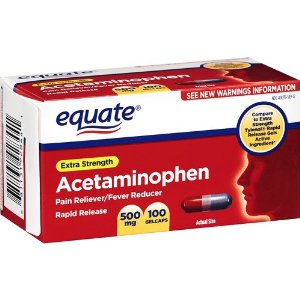
- Acetaminophen. Acetaminophen (e.g. Tylenol) works by blocking the transmission of pain signals to the brain. It is available over the counter. Acetaminophen may also be combined with other pain medications; these compound drugs are available with a prescription. It is not an anti-inflammatory and can be taken in-between the dosing of NSAIDs for better pain control.
- Antidepressants. Certain antidepressant medications, such as duloxetine and amitriptyline, have proven effective in managing certain types of chronic pain even without the presence of depression. Antidepressants are available only by prescription.
- Anticonvulsants (antiseizure medication). Anticonvulsants, such as gabapentin (e.g. Neurontin) and pregabalin (e.g. Lyrica), work by mimicking a neurotransmitter that down regulates the nerve signals in the brain that cause neuropathic pain. People with a herniated disc may experience neuropathic pain. Anticonvulsants are available by prescription only.
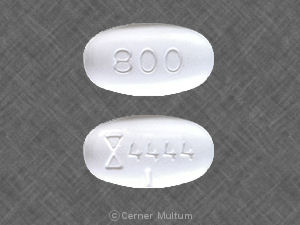
- Muscle relaxants. Contrary to the name, muscle relaxants actually address neck and back discomfort by affecting parts of the brain associated with pain. Common muscle relaxations prescribed for this purpose include. Muscle relaxants, such as cyclobenzaprine, relax tight, tense muscles. Muscle relaxants are often used to treat pain associated with musculoskeletal problems, such as back pain and whiplash. They are available only with a prescription and are typically prescribed on a short-term basis (2 to 3 weeks), although some people may take muscle relaxants for chronic pain.
- Carisoprodol (Soma)
- Cyclobenzaprine (Flexeril)
- Diazepam (Valium)*
- Opioid Pain Relievers. Opiate pain relievers are meant to be used to address short-term, acute back and neck pain due to the potential for developing an addiction to such medications with long-term use. Opiates are often combined with other medications. For instance, oxycodone is typically combined with acetaminophen. Opioids, such as hydrocodone, tramadol, and oxycodone, are strong pain-relieving medications available by prescription only. They are typically prescribed for severe acute pain, such as while recovering from surgery. Some people may take opioids for chronic pain, such as back pain. Opioids have a relatively high risk of being misused and abused and are typically closely monitored by health care providers.
- Oral steroids. Oral steroids, such as methylprednisolone and prednisone, are anti-inflammatory medications. While not commonly prescribed for pain, they may occasionally be recommended to treat acute low back or neck pain due to inflammation. Oral steroids are generally prescribed for short bursts of therapy. Long-term steroid use requires a prescriber to recommend a tapering schedule because of the potential for serious side effects.
- Corticosteroid injections. Corticosteroid injections work by reducing inflammation around a joint, nerve or other structure in the neck or back that’s causing pain. Injections are often mixed with a local anesthetic to provide immediate relief at the injection site.

Over-the-counter Medications for Back Pain
Almost everyone, at one time or another, experiences back pain or neck pain. Maybe you slept funny and woke up with a sore neck or over-extended yourself while raking the leaves. You may have pain, but it’s not debilitating or chronic. In these cases, over-the-counter medications may provide sufficient pain relief.
Types of over-the-counter medications include:
- analgesics: Pain-relieving medications drugs
- Non-steroidal Anti-inflammatory Drugs (NSAIDs): Medications that relieve both pain and inflammation
- Topical Medications: Creams, gels, ointments, patches, and sprays that relieve pain and inflammation through the skin
Over-the-counter drugs aren’t just for the most minor aches and pains. Even if you have severe back pain, your doctor will most likely start you out on over-the-counter medications. If you’re still in pain, then you may need prescription medications.
Prescription Medications for Back Pain
There are many types of prescription medications available for back pain. Some may not be applicable to your condition or symptoms—your doctor will find the best option for you.
Types of prescription medications include:
- Analgesics: Prescription-strength drugs that relieve pain but not inflammation.
- Anti-depressants: Drugs that block pain messages from your brain and boost the effects of endorphins (your body’s natural painkillers).
- Corticosteroids: Also known as oral steroids, these medications reduce inflammation.
- Muscle Relaxants: These medications provide relief from spinal muscle spasms.
- Neuropathic Agents: Drugs that address neuropathic—or nerve-related—pain. This includes burning, numbness, and tingling.
- NSAIDs: Prescription-strength drugs that reduce both pain and inflammation.
- Opioids: Also known as narcotics, these medications are intense pain relievers that should only be used under a doctor’s careful supervision.
- Topical Medications: These prescription-strength creams, gels, ointments, patches, and sprays help relieve pain and inflammation through the skin.
Topical Pain Medications
Topical pain relief medications include creams, gels, or patches applied to the skin. They are available in both over-the-counter and prescription strengths. They are often recommended to reduce localized pain, such as from an arthritic joint or sore muscle. Topical pain relievers should always be tested on a small area of the skin, as some can cause irritation. Some people may also be allergic or have a sensitivity to the ingredients. Topical pain medications are often absorbed through the skin into the blood stream, which may result in possible drug interactions.
Pain relief medications that can be delivered topically include:
- Capsaicin. Pain from certain conditions, such as osteoarthritis and fibromyalgia, can be lessened with capsaicin. Capsaicin is a cream or gel made from chili peppers, and delivers a hot sensation to the area it is applied. Capsaicin can easily be made at home using all-natural ingredients, such as cayenne powder and coconut oil.
Counterirritants. Counterirritants (e.g. Icy Hot, Gold Bond) cause a hot or cold feeling brought on by ingredients such as menthol, wintergreen, and eucalyptus. Counterirritant creams and gels are often used for sore muscles and are typically safe to be used with other forms of pain relief. Some counterirritants, such as products that contain menthol, are available as skin patches. - Lidocaine. Lidocaine is a local anesthetic cream, gel, or skin patch that causes temporary numbness, helping to minimize pain in the area it is applied. It is generally used for arthritis and other musculoskeletal conditions. Lidocaine is often combined with other ingredients in over the counter products. It is available as a prescription 5% patch (e.g. Lidoderm) and over the counter as a 4% patch (e.g. Salonpas).
- Topical diclofenac. This is a topical NSAID that is used to treat symptoms of arthritis, including pain, swelling, inflammation, and stiffness. It is available as a prescription only.
- Trolamine salicylate. This topical pain reliever cream is often recommended for arthritis pain. Trolamine salicylate (e.g. Aspercream, Myoflex) is chemically similar to aspirin and has a slight anti-inflammatory effect.
Drugs used to treat Neck Pain:
- ibuprofen
- naproxen
- acetaminophen
- Aleve
- Advil
- Motrin
- Naprosyn
- Advil Liqui-Gels
- Motrin IB
- Actiprofen
- Addaprin
- Genpril
- NeoProfen
- Nuprin
- Proprinal
- A-G Profen
- IBU-200
- Naprelan
- Aflaxen
- Anaprox
- Anaprox-DS
Medication Warning
One of the most important things to understand about medications—both over-the-counter and prescription—is to listen to the advice of your doctor. This is especially true if you are taking herbal remedies that may interact with your current medications. If you are taking an over-the-counter medication, follow the directions on the package, unless instructed otherwise by your doctor. Just because a medication can be purchased without a prescription does not mean it can’t cause problems if used incorrectly.
Always discuss every medication with your doctor. Don’t hesitate to contact your doctor if you have a question regarding your medication. If you don’t follow your doctor’s instructions precisely, you risk causing further complications. But if you take your treatment regimen seriously, you’re much more likely to reduce your back pain and neck pain.